


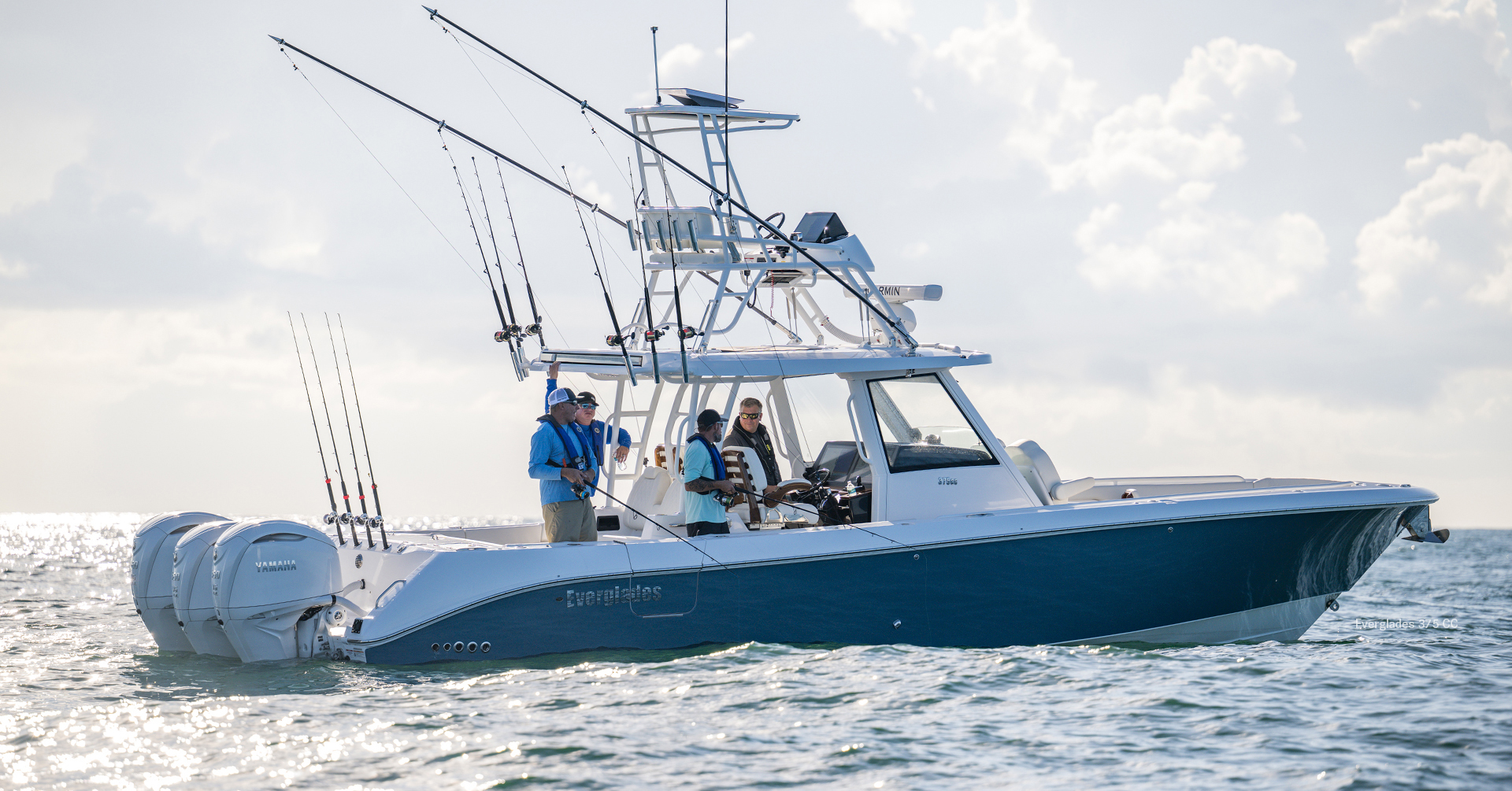
Evaluating a premium vessel across Western Florida's distinct regional waterways—whether preparing to cruise the high-density holiday channels of Clearwater Harbor, navigating the shifting sandbars of Dunedin Pass, or charting open-water routes into the Gulf of Mexico—demands strict operational competence and an absolute commitment to standardized angling disciplines. National Fishing & Boating Week represents the official opening of the summer coastal cruising season, emphasizing the vital connection between technical boat maintenance and successful, multi-generational marine activities.
Implementing a structured, multi-point destination plan and verifying your mechanical grounding metrics before pushing off the trailer bunks transforms your summer celebration from a routine cruise into a highly managed, high-yield maritime excursion.
1. Advanced Structural Day-Trip Staging
Executing a day trip during a premier maritime holiday requires deliberate route planning and proactive vessel staging to avoid localized traffic blocks.
- Optimize Navigational Vectors: Map out your transit routes using real-time GPS plotters to target iconic regional systems like Caladesi Island, the sandy perimeters of Sand Key, and the open-water pathways near Egmont Key.
- Execute System-Wide Pre-Launch Audits: Before trailing your hull down a busy concrete launch lane, ensure your platform undergoes a comprehensive mechanical sweep to verify that all primary raw-water pump impellers, low-voltage starting batteries, and automated bilge networks maintain complete functional continuity.
2. Forensic Hydrographic Selection for Coastal Angling
Targeting complex coastal game fish across Western Florida's dynamic estuary systems demands transitioning away from repetitive locations to exploit specific bottom structures and tidal corridors.
- Isolate Species-Specific Environments: Target the redfish and snook populations holding within the mangrove edges and shallow docks of Clearwater Harbor. For bottom-dwelling snapper and sheepshead sets, reposition your platform over the hard-bottom structures and bridge pilings of Boca Ciega Bay, or venture north to track seasonal tarpon runs through the deeper cuts of Tarpon Springs.
- Adhere strictly to Localized Regulatory Bounds: When fishing near structural passes, maintain active awareness of reversing tidal currents and dynamic depth changes to safeguard your lower unit gearcases from unexpected sandbar strikes.
3. Multi-Generational Ergonometrics and Family Staging
Structuring a multi-generational offshore run requires balancing onboard space layouts with strict life-safety asset tracking to ensure passenger comfort.
- Enforce Clean Cockpit Traffic Fields: Keep all loose gear bags, provisions, and dry accessories organized inside dedicated under-seat lockers. Secure high-capacity rotomolded coolers completely outside primary walkthrough gates to ensure children and guests can navigate the deck spaces safely while underway.
- Select Low-Velocity Safe Harbors: Target the highly protected, shallow flats and calm anchorages bordering Fort De Soto or Shell Key Preserve. These coordinates provide stable, low-wake swimming zones that shield smaller passengers from the rolling displacement swells generated by larger offshore cruising yachts.
4. Marine Picnic Deployment and Dual-Anchor Mechanics
Anchoring your premium platform adjacent to popular barrier island beaches for an onboard meal requires precise ground tackle mechanics to isolate your hull from structural damage.
- Deploy a Stabilizing Two-Point Footprint: When beach-hopping near the pristine shorelines of Caladesi Island or Egmont Key, never rely on a single bow anchor. Deploy a high-tensile offshore stern anchor into deeper water before easing your bow toward the sand, then set a primary bow anchor to secure the nose. This dual-point orientation keeps the boat positioned perpendicular to the beach, preventing cross-cutting commercial wakes from swinging your stern into adjacent hulls.
- Manage Thermal Protection Frameworks: Keep your crew insulated from intense solar radiation by fully deploying your bimini canopy footprint or automated sport arch extensions during peak midday hours.
5. Ecological Surveying and Wildlife Cushion Barriers
Western Florida’s barrier island trail networks and shallow bayous host delicate marine habitats that demand conscious navigation adjustments from passing captains.
- Maintain Strict Separation Cushions: When tracking past Honeymoon Island’s Osprey Trail or cruising the remote inlets of Egmont Key, maintain a vigilant, 360-degree visual scan for wild manatees, rolling bottlenose dolphins, and protected nesting shorebirds.
- Execute Silt-Free Shallow Manifolds: Avoid driving your propulsion gear directly across shallow seagrass beds or coral patches. If you observe your depth finder trending toward a critical clearance threshold, instantly pull your binnacle back to forward idle and trim your outboards upward to eliminate propeller scarring and prevent destructive sand induction into your open-loop engine cooling galleries.
6. Preventative Fleet Upkeep and Mechanical Diagnostics
National Fishing & Boating Week serves as a reminder to audit the degradation states of your primary mechanical assets before high-stress summer heat loops set in.
- Execute Multi-Point Systems Analytics: Utilize this operational window to run full load-capacity tests on your starting and auxiliary battery banks, check fuel-water separator filters for phase separation or moisture accumulation, and inspect propeller blades for hairline stress fractures or dings.
- Upgrade Core Control Linkages: If your mechanical helm controls exhibit notched resistance or slow response times, prioritize upgrading your steering configurations to modern hydraulic or digital joystick networks to ensure complete close-quarters maneuverability.
7. Professional Guild Staging and Local Sightseeing Tactics
Accelerating your angling proficiency requires analyzing the operational profiles, tracking vectors, and bait presentation styles used by local elite charter captains.
- Map Hidden Structural Patterns: Booking a specialized commercial guide tour along the Tampa Bay flats or Gulf inlets helps identify underlying ledge structures, artificial reef coordinates, and complex back-country channels that are frequently omitted from standard recreational charts.
- Calibrate Helm Electronic Arrays: Use professional sightseeing transits to learn how to properly adjust your multi-frequency CHIRP sonar, side-scan imaging networks, and solid-state radar overlays to improve your autonomous piloting capabilities.
8. Responsible Stewardship and Safety Mentorship
As an elite mariner, validating and promoting standardized safe-boating protocols across your personal and professional networks preserves waterway access for future generations.
- Enforce State-Mandated Sobriety Standards: Actively demonstrate absolute sobriety while positioned behind the helm station, complying with Florida’s strict Boating Under the Influence (BUI) regulations.
- Model Proper Life Safety Assets: Ensure that all guests—especially children under the age of six—remain outfitted with properly fitted, U.S. Coast Guard-approved life jackets at all times while the hull is underway. Share clean, uncrowded catch-and-release images on digital platforms to foster selective harvest habits and promote responsible resource conservation.
Technical Frequently Asked Questions
What is the legal speed restriction for operating a watercraft after dark in Florida waters? Unlike jurisdictions with blanket numeric nighttime speed caps, Florida maritime law, enforced by the Florida Fish and Wildlife Conservation Commission (FWC), mandates that all vessels maintain a "safe speed" at night based on prevailing visibility, weather, and traffic conditions. However, operators must strictly adhere to localized, posted "Slow Speed, Minimum Wake" restrictions, which legally require the hull to ride fully off plane and completely settled in the water column with a minimal wake profile.
Why is running the engine bilge blower mandatory before launching or starting an inboard vessel? Gasoline fuel vapors are heavier than atmospheric air and naturally accumulate in the lowest quadrants of a sealed engine bay or bilge compartment. Florida safety regulations and federal mandates dictate that power-operated exhaust blowers must be activated for a minimum of four continuous minutes prior to starting an inboard or sterndrive engine. This process evacuates any trapped combustible vapors, preventing a catastrophic static-spark explosion inside the hull machinery space.
Sourcing Authorized Marine Assets & Technical Upkeep
Safeguarding your vessel through variable seasonal conditions requires outfitting your platform with components and mechanical structures calibrated to exact manufacturer tolerances.
- Comprehensive New and Pre-Owned Showrooms: To evaluate rough-water hull geometries, test luxury trim lines, or compare the tracking profiles of elite regional brands, explore our complete regional inventories of New Boats and strictly certified Used Boats.
- Advanced Transom Repower Operations: If your existing power plant exhibits low-end throttle lag or lacks modern digital networks near the courtesy docks, outfitting your transom through our specialized Repower Mercury or Repower Yamaha hubs installs advanced control systems for absolute handling precision.
- Certified Multi-Point Systems Maintenance: From testing low-voltage battery capacities under load to replacing raw-water pump impellers or diagnosing hydraulic steering binding, trust our factory-trained technicians at the Tom George Yacht Group Service Center department. For do-it-yourself maintenance, our Parts Center supplies factory-direct filters, zinc anodes, and marine accessories.
Fleet Allocation and Financial Coordination
What structural consumer credit frameworks exist for premium vessel procurement? Our internal Financing office constructs customized consumer portfolios, allowing buyers to seamlessly bundle their high-performance hull selection, reliable outboards, technical navigation electronics, and comprehensive Marine Insurance protections into a single structured loan.
Can I leverage my current boat's equity to transition to a modern rough-water platform? Yes. We facilitate transparent, market-accurate asset evaluations to eliminate personal listing delays. To liquidate your old hull and apply its equity directly toward an upgrade, submit your vessel's technical specifications to our Sell / Trade department.
How do I track upcoming dealer events or connect with Tom George Yacht Group? To learn about our legacy serving Western Florida mariners, visit our About Us page. You can monitor our active schedule of safe-boating seminars, captain safety workshops, and regional boat shows on our Events page, track continuous technical maintenance guides on our Blog section, see verified customer feedback on our Reviews directory, or connect directly with our specialized team members via our Staff index. To review extended service coverages, check our Extended Service Contracts checklist, find current promotions on our Specials page, evaluate secure slip and dry storage configurations on our Marina Storage link, or contact our offices instantly through our Contact hub.