
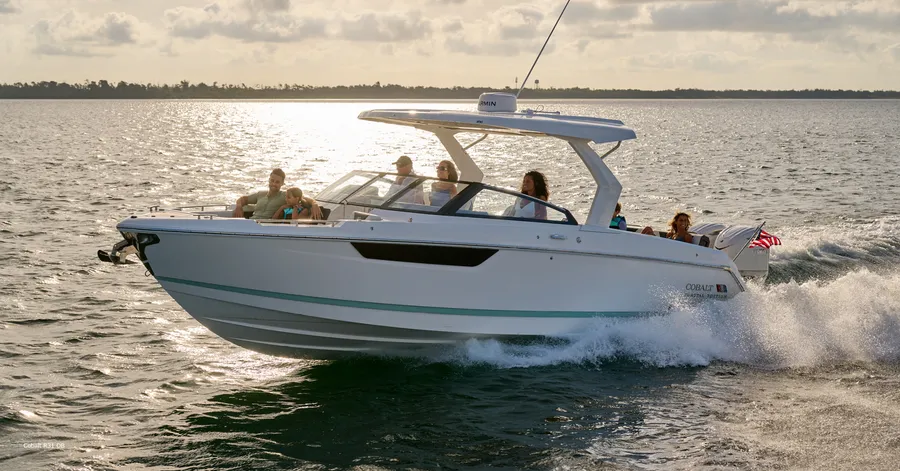
Evaluating a premium vessel across Western Florida's distinct regional waterways—whether preparing to cruise the high-density weekend channels of Clearwater Harbor, navigating the shifting sandbars of Dunedin Pass, or charting open-water routes into the Gulf of Mexico—demands strict operational competence and a defensive piloting posture. Peak summer weekends compress massive vessel counts into localized basins, turning popular thoroughfares into complex navigation fields. In this high-density maritime environment, a lack of structured destination staging and tactical timing can quickly transform a routine cruise into a high-stress bottleneck.
Implementing a rigorous, professional execution strategy is your primary line of defense against terminal ramp delays, close-quarters traffic hazards, and sudden environmental changes at the water's edge.
1. Tactical Timing and Micro-Tidal Range Formations
Logistical precision during a high-density holiday weekend depends entirely on executing your transit windows asymmetrically compared to the average recreational boater.
- Capitalize on Early-Morning Openings: Planning an early-morning departure allows you to clear narrow municipal channels, bypass trailer ramp queues, and secure prime anchoring coordinates before peak traffic grids converge. Conversely, delaying your return to late afternoon or early evening typically grants smoother docking conditions as the ambient traffic column thins out.
- Analyze Micro-Tidal Clearances: Shifting sandbars around Western Florida’s inlets are highly dynamic. Navigating coastal passes requires strict tide awareness; approaching shallow flats on a falling low-tide cycle can instantly trap your running gear or leave your hull dry-grounded. Always execute comprehensive systems validation checks before heading out to ensure complete mechanical and electrical continuity.
2. Geographic Staging and Hotspot Mitigation Trajectories
Western Florida features highly sought-after destinations, but operating a premium yacht in packed coastal perimeters requires strategic spacing and route awareness.
- Identify High-Density Congestion Zones: Renowned regional points—including Clearwater Beach, the pristine shorelines of Caladesi Island, Sand Key, and the waters bordering Shell Key Preserve or Egmont Key—experience severe vessel saturation on sunny weekends.
- Isolate Low-Exposure Alternative Anchorages: If your priority centers on calm relaxation or family picnics, actively chart alternative routes toward less congested, secondary bays or backcountry keys. Avoiding the main party hubs reduces your exposure to erratic operator maneuvers and protects your hull from heavy cross-cutting displacement wakes.
3. Statutory Etiquette and Velocity Boundary Disciplines
Operating responsibly in crowded coastal channels requires strict adherence to maritime right-of-way rules and defensive speed protocols.
- Adhere to Localized Velocity Boundaries: Drop your throttle early and maintain a safe, cautious speed when tracking near crowded beaches, busy docks, and small craft. Florida maritime law, enforced by the Florida Fish and Wildlife Conservation Commission (FWC), strictly mandates compliance with posted "Slow Speed, Minimum Wake" zones, which legally require the hull to ride fully settled off plane with a minimal displacement wave footprint.
- Establish Expansive Separation Cushions: Provide a substantial safety buffer around vulnerable water users, including swimmers, kayakers, paddleboarders, and low-freeboard vessels. When maneuvering through tight marina networks or restricted channels, maintain active verbal and non-verbal communication with surrounding captains using standardized hand signals or your VHF marine radio.
4. Life-Safety Asset Requirements and Emergency Readiness
A packed weekend environment leaves zero margin for equipment omissions or inadequate safety tracking.
- Rigid Personal Flotation Device (PFD) Accessibility: Ensure that your vessel carries at least one wearable, U.S. Coast Guard-approved life jacket of the appropriate size for every individual onboard. All life safety gear must remain in pristine, serviceable condition and be immediately accessible—never locked away or stored in sealed factory packaging.
- Maintain Tactical Navigation Equipment: Verify the absolute functionality of your primary helm electronics, including multi-frequency digital depth finders, real-time GPS plotters, and marine charts to prevent shallow grounding incidents. Carry an updated visual distress inventory, functional fire extinguishers, a comprehensive marine first-aid kit, and ample fuel reserves to account for potential delays near busy marina fuel docks.
- Formulate Structured Harbors-of-Refuge Plans: Before pulling away from the slip, establish a clear emergency action blueprint. Identify nearby alternative deep-water marinas, commercial shipyards, and active Coast Guard stations along your route so you have immediate destination options if sudden weather changes or mechanical situations arise.
5. On-Board Comfort Optimization and Environmental Care
A premium cruise should maximize guest satisfaction while strictly preserving the delicate coastal ecosystems that define the Gulf Coast.
- Structure Calm Staging Routines: Keep passenger moral high by anchoring exclusively within protected, low-velocity bays. Keep your helm entertainment systems adjusted to respectful acoustic volumes to ensure critical audio alarms and verbal commands remain fully audible between your crew members.
- Enforce Strict Waste and Wildlife Discipline: Florida’s barrier islands and shallow estuaries house fragile marine habitats. Never permit trash, plastic wrappers, or personal items to blow out of your cockpit into the water column. Maintain a respectful distance from protected local wildlife, and ensure you never disturb or feed wild manatees, dolphins, or nesting shorebirds along the flats.
Technical Frequently Asked Questions
What is the legal speed restriction for operating a watercraft after dark in Florida waters? Unlike jurisdictions with blanket numeric nighttime speed caps, Florida maritime law mandates that all vessels maintain a "safe speed" at night based on prevailing visibility, weather, and traffic conditions. However, operators must strictly adhere to localized, posted "Slow Speed, Minimum Wake" restrictions, which legally require the hull to ride fully off plane and completely settled in the water column with a minimal wake profile.
Why is running the engine bilge blower mandatory before launching or starting an inboard vessel? Gasoline fuel vapors are heavier than atmospheric air and naturally accumulate in the lowest quadrants of a sealed engine bay or bilge compartment. Florida safety regulations and federal mandates dictate that power-operated exhaust blowers must be activated for a minimum of four continuous minutes prior to starting an inboard or sterndrive engine. This process evacuates any trapped combustible vapors, preventing a catastrophic static-spark explosion inside the hull machinery space.
Sourcing Authorized Marine Assets & Technical Upkeep
Safeguarding your vessel through variable seasonal conditions requires outfitting your platform with components and mechanical structures calibrated to exact manufacturer tolerances.
- Comprehensive New and Pre-Owned Showrooms: To evaluate rough-water hull geometries, test luxury trim lines, or compare the tracking profiles of elite regional brands, explore our complete regional inventories of New Boats and strictly certified Used Boats.
- Advanced Transom Repower Operations: If your existing power plant exhibits low-end throttle lag or lacks modern digital networks near the courtesy docks, outfitting your transom through our specialized Repower Mercury or Repower Yamaha hubs installs advanced control systems for absolute handling precision.
- Certified Multi-Point Systems Maintenance: From testing low-voltage battery capacities under load to replacing raw-water pump impellers or diagnosing hydraulic steering binding, trust our factory-trained technicians at the Tom George Yacht Group Service Center department. For do-it-yourself maintenance, our Parts Center supplies factory-direct filters, zinc anodes, and marine accessories.
Fleet Allocation and Financial Coordination
What structural consumer credit frameworks exist for premium vessel procurement? Our internal Financing office constructs customized consumer portfolios, allowing buyers to seamlessly bundle their high-performance hull selection, reliable outboards, technical navigation electronics, and comprehensive Marine Insurance protections into a single structured loan.
Can I leverage my current boat's equity to transition to a modern rough-water platform? Yes. We facilitate transparent, market-accurate asset evaluations to eliminate personal listing delays. To liquidate your old hull and apply its equity directly toward an upgrade, submit your vessel's technical specifications to our Sell / Trade department.
How do I track upcoming dealer events or connect with Tom George Yacht Group? To learn about our legacy serving Western Florida mariners, visit our About Us page. You can monitor our active schedule of safe-boating seminars, captain safety workshops, and regional boat shows on our Events page, track continuous technical maintenance guides on our Blog section, see verified customer feedback on our Reviews directory, or connect directly with our specialized team members via our Staff index. To review extended service coverages, check our Extended Service Contracts checklist, find current promotions on our Specials page, evaluate secure slip and dry storage configurations on our Marina Storage link, or contact our offices instantly through our Contact hub.
