


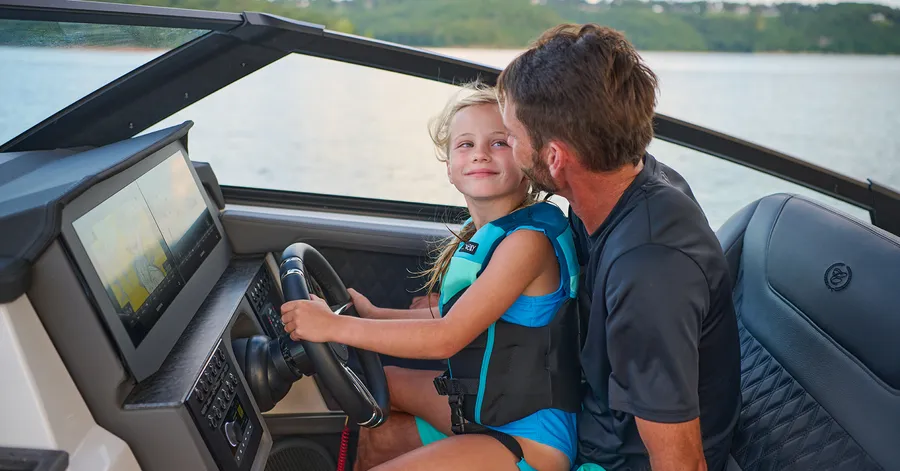
Father’s Day is right around the corner, and if your dad spends every spare moment out on the water, finding the right gift means skipping the standard store novelties. Here in the Clearwater and Tampa Bay area, our waterways offer incredible variety—whether Dad loves cruising down Clearwater Harbor, tracking the beautiful channels around Dunedin Pass, or heading out into the open waters of the Gulf. A great boating gift shouldn't just look nice; it should make Dad's time behind the wheel safer, more comfortable, and a lot more fun.
At Tom George Yacht Group, we have compiled a list of premium gear, high-end electronics, and thoughtful upgrades that will truly elevate Dad’s boating lifestyle this season.
1. Premium Life Safety Wear and Comfortable Life Jackets
Upgrading Dad’s primary safety gear is a great way to show you care while ensuring his vessel stays fully compliant with Florida Fish and Wildlife Conservation Commission (FWC) regulations.
- Low-Profile Inflatable Life Jackets: Ditch the bulky, old-school orange life cushions for a sleek, automatic inflatable life vest. Lightweight Type III or Type V PFDs adjust comfortably around the shoulders, giving Dad total freedom of movement when he is stretching to secure dock lines or executing tight maneuvers at the helm.
- Custom Vessel Embroidery: Consider having high-quality marine thread used to embroider his boat's name or registration numbers directly onto the vest webbing. It adds a wonderful personal touch and keeps his premium safety gear organized when hosting a full crew.
2. High-Performance Fishing Gear and Tackle Upgrades
If Dad loves chasing game fish through our local estuaries, outfitting his boat with durable, salt-resistant angling gear will make his next trip to the passes unforgettable.
- Smooth, Heavy-Duty Reels and Rods: Look for premium, anodized multi-bearing spinning reels paired with a responsive carbon-fiber rod blank. These setups are engineered to handle the massive torque and hard runs of mature snook, redfish, or tarpon feeding near bridge pilings and pass structures.
- Localized Coastal Bait Assortments: Restock his tactical tackle box with heavy-duty jig heads, tough fluorocarbon leader lines, and topwater walking baits in colors that perfectly mimic local Gulf Coast forage fish.
3. Advanced Navigation Electronics and Smart Plotters
Navigating safely through summer afternoon downpours or finding your way back after a beautiful sunset cruise requires clear, high-purity dashboard displays.
- Next-Generation Chartplotters and Sonar: Upgrade the helm station with a vibrant touchscreen multi-function display featuring advanced CHIRP sonar and side-scan imaging. This technology makes it simple to track shifting sandbars in the inlets or locate productive offshore reefs and structures.
- Fixed-Mount VHF Marine Radios: Ensure Dad always has a clear line of communication by gifting a robust, fixed-mount VHF radio paired with a high-gain fiberglass antenna array, ensuring an instant connection to the Coast Guard and nearby vessels during emergencies.
4. Professional Hull Care and Upholstery Protection
The intense Florida sun and salt water can take a quick toll on a boat's finish. Premium care products help Dad keep his pride and joy looking pristine.
- High-Gloss Marine Sealants: Gift a selection of advanced polymer sealants, high-purity carnauba marine waxes, and specialized non-skid deck conditioners. These formulations create a protective shield that stops salt crusting, minimizes mineral water spots, and keeps the gelcoat glowing.
- Bio-Safe Vinyl Cleaning Kits: Put together a maintenance bucket with premium marine vinyl protectants, soft wash mitts, and gentle hull cleaners to make the end-of-the-day washdown quick and effortless.
5. Heavy-Duty Anchors and High-Surge Dock Lines
Keeping a premium boat securely positioned near crowded barrier island beaches or transient slips requires tough ground tackle that can handle strong Florida current reversals.
- High-Tensile Fluke Anchors and Galvanized Chain: Upgrade his anchor setup with a premium fluke or plow-style anchor, and make sure to include a generous length of hot-dipped galvanized chain lead. The extra weight of the chain keeps the anchor shank lying flat, helping it bite deep into the sandy floor.
- Premium Double-Braided Mooring Lines: Replace worn lines with high-tensile, double-braided nylon dock lines that absorb heavy wake surges without snapping. Pair them with oversized, UV-resistant marine fenders to cushion the hull sides beautifully when rafting up with friends.
6. Moisture-Wicking Apparel and Glare-Reducing Sunglasses
Extended hours on the open deck mean Dad needs high-quality protection from direct sun exposure and harsh water reflection.
- UPF 50+ Sun Shirts and Technical Hats: Keep Dad safe from heat fatigue with lightweight, breathable sun shirts that feature a verified UPF 50+ rating. Add a wide-brimmed technical hat to keep the sun off his face and neck all day long.
- High-Definition Polarized Marine Sunglasses: A premium pair of polarized sunglasses designed specifically for the water filters out blinding surface glare. This allows the captain to read subtle watercolor changes, spot shallow flats, and identify hidden underwater hazards early.
7. High-Retention Coolers and Rod-Holder Grills
Long days out on the Gulf call for cold drinks, fresh food, and great ways to unwind with the family at anchor.
- Commercial-Grade Rotomolded Coolers: Move past standard plastic coolers and opt for a rugged, rotomolded cooler featuring extra-thick polyurethane insulation walls and heavy-duty rubber latches. It will keep ice, fresh provisions, and water chilled for days, even in the peak of July.
- Gunwale-Mounted Marine Grills: A portable, 316 marine-grade stainless steel propane grill designed to drop directly into a standard gunwale rod holder makes outdoor cooking safe and convenient, keeping hot cooking surfaces completely clear of the fiberglass decks.
8. Professional On-Water Captain's Lessons
Sometimes the best gift isn't hardware—it's an investment in Dad's confidence and skills on the water.
- Local Expert Navigation Training: Arrange for a private session with a licensed USCG captain to guide Dad through the unique challenges of Tampa Bay's waterways. A custom lesson covering shallow pass route-plotting, night docking, or fine-tuning advanced radar settings is an unforgettable experience.
Frequently Asked Questions
What is the legal speed restriction for operating a watercraft after dark in Florida waters? Unlike jurisdictions with blanket numeric nighttime speed caps, Florida maritime law, enforced by the FWC, mandates that all vessels maintain a "safe speed" at night based on prevailing visibility, weather, and traffic conditions. However, operators must strictly adhere to localized, posted "Slow Speed, Minimum Wake" restrictions, which legally require the hull to ride fully off plane and completely settled in the water column with a minimal wake profile.
Why is running the engine bilge blower mandatory before launching or starting an inboard vessel? Gasoline fuel vapors are heavier than atmospheric air and naturally accumulate in the lowest quadrants of a sealed engine bay or bilge compartment. Florida safety regulations and federal mandates dictate that power-operated exhaust blowers must be activated for a minimum of four continuous minutes prior to starting an inboard or sterndrive engine. This process evacuates any trapped combustible vapors, preventing a catastrophic static-spark explosion inside the hull machinery space.
Sourcing Authorized Marine Assets & Technical Upkeep
Safeguarding your vessel through variable seasonal conditions requires outfitting your platform with components and mechanical structures calibrated to exact manufacturer tolerances.
- Comprehensive New and Pre-Owned Showrooms: To evaluate rough-water hull geometries, test luxury trim lines, or compare the tracking profiles of elite regional brands like Axopar, Cobalt, Everglades, and Invincible, explore our complete regional inventories of New Boats and strictly certified Used Boats.
- Advanced Transom Repower Operations: If your existing power plant exhibits low-end throttle lag or lacks modern digital networks near the courtesy docks, outfitting your transom through our specialized Repower Mercury or Repower Yamaha hubs installs advanced control systems for absolute handling precision.
- Certified Multi-Point Systems Maintenance: From testing low-voltage battery capacities under load to replacing raw-water pump impellers or diagnosing hydraulic steering binding, trust our factory-trained technicians at the Tom George Yacht Group Service Center department. For do-it-yourself maintenance, our Parts Center supplies factory-direct filters, zinc anodes, and marine accessories.
Fleet Allocation and Financial Coordination
What structural consumer credit frameworks exist for premium vessel procurement? Our internal Financing office constructs customized consumer portfolios, allowing buyers to seamlessly bundle their high-performance hull selection, reliable outboards, technical navigation electronics, and comprehensive Marine Insurance protections into a single structured loan.
Can I leverage my current boat's equity to transition to a modern rough-water platform? Yes. We facilitate transparent, market-accurate asset evaluations to eliminate personal listing delays. To liquidate your old hull and apply its equity directly toward an upgrade, submit your vessel's technical specifications to our Sell / Trade department.
How do I track upcoming dealer events or connect with Tom George Yacht Group? To learn about our legacy serving Western Florida mariners, visit our About Us page. You can monitor our active schedule of safe-boating seminars, captain safety workshops, and regional boat shows on our Events page, track continuous technical maintenance guides on our Blog section, see verified customer feedback on our Reviews directory, or connect directly with our specialized team members via our Staff index. To review extended service coverages, check our Extended Service Contracts checklist, find current promotions on our Specials page, evaluate secure slip and dry storage configurations on our Marina Storage link, or contact our offices instantly through our Contact hub.