


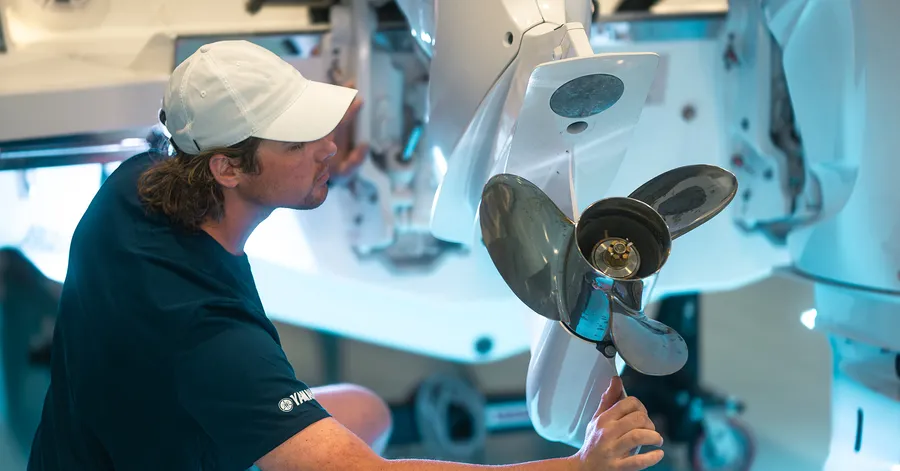
For boat owners in Clearwater, Florida, there’s nothing like the freedom of cruising the Gulf Coast waters. But with that joy comes responsibility. From routine maintenance to unexpected repairs, keeping your vessel in peak condition ensures every outing is safe, smooth, and stress-free. That’s where Tom George Yacht Group comes in as your trusted marine service partner.
Why Regular Boat Maintenance Matters
Boats, like cars, require consistent care—and the Florida sun, saltwater, and heavy use can take a toll on engines, hulls, and electronics. Without regular maintenance, you could face:
- Engine wear and reduced performance
- Corrosion of metal components
- Electrical malfunctions or navigation system failures
- Worn upholstery, canvas, or fiberglass issues
Neglecting these problems can turn a fun day on the water into a costly emergency. Regular maintenance protects your investment, extends the life of your boat, and ensures every trip is worry-free.
What Sets Tom George Yacht Group Marine Service Apart
At Tom George Yacht Group in Clearwater, FL, our focus is on expertise, reliability, and precision. Our team of factory-certified technicians handles everything from routine inspections to complex repairs. Popular services include:
- Engine diagnostics, tune-ups, and outboard motor service
- Electrical system checks and electronics installation
- Fiberglass, canvas, and upholstery repair
- Boat detailing, winterization, and seasonal preparation
Whether you own a fishing boat, center console, or luxury yacht, our team treats every vessel with the care it deserves.
DIY or Professional Service? Why Expertise Matters
Some boat owners try DIY fixes. While tasks like cleaning or changing filters are manageable, professional service is essential for complex issues. Our technicians have:
- The right tools for every job
- Experience with multiple boat brands and models
- The expertise to get repairs done correctly the first time
Investing in professional marine service prevents minor issues from becoming major headaches. Safety Starts with Maintenance Proper maintenance isn’t just about performance—it’s about safety on the water. A well-serviced boat reduces the risk of engine failure, electrical issues, or mechanical breakdowns while cruising Clearwater Bay or the Gulf of Mexico. Regular checkups from a trusted service provider like Tom George Yacht Group give you peace of mind for every voyage. Schedule Your Service Today Boating should be about relaxation, adventure, and fun, not worrying about preventable maintenance problems. Visit Tom George Yacht Group in Clearwater, FL for expert boat service, repairs, and maintenance—so you can focus on enjoying every moment on the Gulf Coast.Frequently Asked Questions
What is the legal speed restriction for operating a watercraft after dark in Florida waters? Unlike jurisdictions with blanket numeric nighttime speed caps, Florida maritime law, enforced by the FWC, mandates that all vessels maintain a "safe speed" at night based on prevailing visibility, weather, and traffic conditions. However, operators must strictly adhere to localized, posted "Slow Speed, Minimum Wake" restrictions, which legally require the hull to ride fully off plane and completely settled in the water column with a minimal wake profile.
Why is running the engine bilge blower mandatory before launching or starting an inboard vessel? Gasoline fuel vapors are heavier than atmospheric air and naturally accumulate in the lowest quadrants of a sealed engine bay or bilge compartment. Florida safety regulations and federal mandates dictate that power-operated exhaust blowers must be activated for a minimum of four continuous minutes prior to starting an inboard or sterndrive engine. This process evacuates any trapped combustible vapors, preventing a catastrophic static-spark explosion inside the hull machinery space.
Sourcing Authorized Marine Assets & Technical Upkeep
Safeguarding your vessel through variable seasonal conditions requires outfitting your platform with components and mechanical structures calibrated to exact manufacturer tolerances.
- Comprehensive New and Pre-Owned Showrooms: To evaluate rough-water hull geometries, test luxury trim lines, or compare the tracking profiles of elite regional brands like Axopar, Cobalt, Everglades, and Invincible, explore our complete regional inventories of New Boats and strictly certified Used Boats.
- Advanced Transom Repower Operations: If your existing power plant exhibits low-end throttle lag or lacks modern digital networks near the courtesy docks, outfitting your transom through our specialized Repower Mercury or Repower Yamaha hubs installs advanced control systems for absolute handling precision.
- Certified Multi-Point Systems Maintenance: From testing low-voltage battery capacities under load to replacing raw-water pump impellers or diagnosing hydraulic steering binding, trust our factory-trained technicians at the Tom George Yacht Group Service Center department for detailed cosmetic detailing and preventative mechanical checks. For do-it-yourself maintenance, our Parts Center supplies factory-direct filters, zinc anodes, and marine accessories.
Fleet Allocation and Financial Coordination
What structural consumer credit frameworks exist for premium vessel procurement? Our internal Financing office constructs customized consumer portfolios, allowing buyers to seamlessly bundle their high-performance hull selection, reliable outboards, technical navigation electronics, and comprehensive Marine Insurance protections into a single structured loan.
Can I leverage my current boat's equity to transition to a modern rough-water platform? Yes. We facilitate transparent, market-accurate asset evaluations to eliminate personal listing delays. To liquidate your old hull and apply its equity directly toward an upgrade, submit your vessel's technical specifications to our Sell / Trade department.
How do I track upcoming dealer events or connect with Tom George Yacht Group? To learn about our legacy serving Western Florida boaters, visit our About Us page. You can monitor our active schedule of safe-boating seminars, captain safety workshops, and regional boat shows on our Events page, track continuous technical maintenance guides on our Blog section, see verified customer feedback on our Reviews directory, or connect directly with our specialized team members via our Staff index. To review extended service coverages, check our Extended Service Contracts checklist, find current promotions on our Specials page, evaluate secure slip and dry storage configurations on our Marina Storage link, or contact our offices instantly through our Contact hub.